
The temptation of social media
The temptation of social media
Social media can be physically addictive, because your brain reacts to it in the same way as to gambling and taking drugs. When you get a “like” or a mention or a reaction, the reward area in the brain lights up – the same kind of chemical reaction as caused by cocaine.* These reward centres of the brain are most active when we are talking about ourselves. In real life, people talk about themselves around 30% to 40% of the time. On social media, people talk about themselves an astonishing 80% of the time. When you then get positive feedback, the reward centre is activated …
and you want it again and again.
Social media addiction looks much like any other addiction:
- It changes your moods.
- It becomes the only thing you can think of.
- You get physical and emotional withdrawal symptoms when it’s taken away.
- It creates conflict with people around you.
- You cannot stop – even if you try, you
- fall back into it time and again.
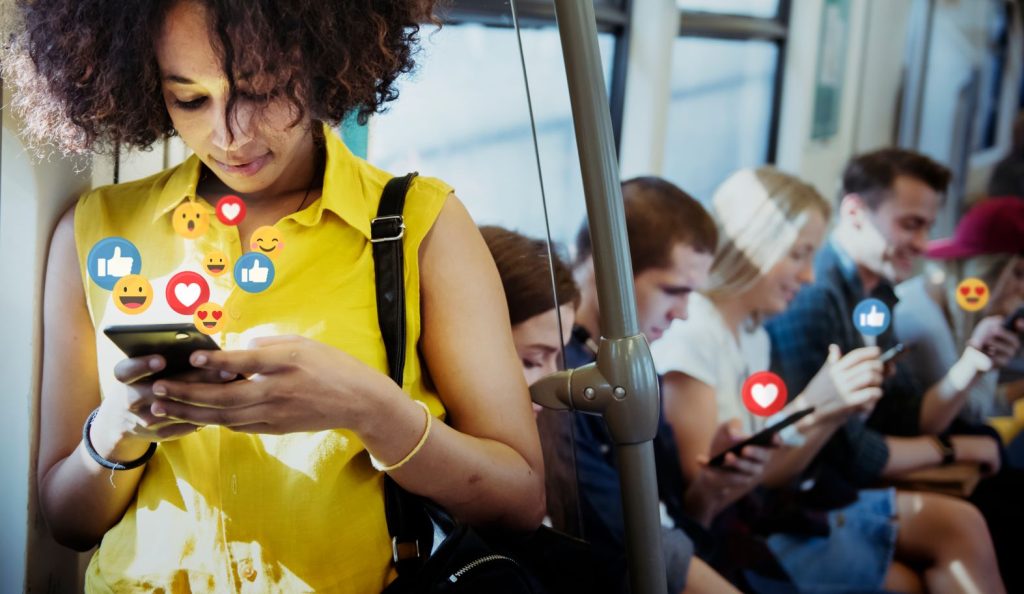
The problem for a student, of course, is that it eats up your time. You pick up your phone and before you know it, another hour of your life is gone. It also interferes with your relationships in the real world. Some simple steps can counter it:
- Turn off sound notifications and only check social media in time marked “free time” on your schedule.
- Put away your phone while studying.
- Put away your phone at mealtimes and for family time.
- Switch your phone to silent when sleeping.
The owners of the social media platforms spend billions to make them as attractive and addictive as possible. Don’t beat yourself up if you get drawn in. Remember the Alcoholics Anonymous slogan: one day at a time.
Just for today: stay in control.
One day at a time
* https://www.addictioncenter.com/drugs/social-media-addiction/